

Restaurant Software Development Company
We design and build restaurant management software, food ordering platforms and hospitality applications that improve operations, customer experience and business growth.
- Engineering-First
- Scalable Cloud Platforms
- Modern UX
- AI Integration
- Long-Term Maintainability
- Estimated timeline
- Typically 10–16 weeks for a first production release
- Platforms
- Web · Customer App · Kitchen Display
- Tech stack
- React · React Native · Node.js · PostgreSQL
The real business case for restaurant software
Restaurant and hospitality groups don't invest in software because it's trendy — they invest because disconnected POS systems, manual scheduling, and reactive inventory have a real cost in wasted labor, lost orders, and inconsistent service. Software pays for itself when it maps to a specific, measurable improvement in how a location actually runs.
- Reservations
Booking systems that reflect real table availability and turn times, not a static calendar disconnected from the floor.
- Order Management
Orders flowing directly from channel to kitchen, not re-keyed by hand across disconnected systems.
- Kitchen Coordination
Direct visibility into order status and timing across the kitchen, not a paper ticket system prone to bottlenecks.
- Staff Scheduling
Scheduling that reflects real shift patterns and labor constraints, not a spreadsheet reconciled after the fact.
- Inventory
Inventory data that reflects what's actually on hand, not a count reconciled once a week.
- Customer Loyalty
Loyalty and repeat-visit data connected directly to orders, not a punch card disconnected from the rest of the business.
- Delivery Operations
Delivery status and logistics connected directly to the order, not a separate system with no visibility into the kitchen.
- Business Analytics
Operational data turned into something owners and managers can actually act on, not a report generated after the fact.
Restaurant software development services
From a single ordering app to a full restaurant management platform with its own kitchen and delivery systems — the services that make up a real restaurant technology engagement.
The kind of restaurant software we build
A handful of concrete examples — every engagement is scoped around your own operation, not a template.
Restaurant Management Platform

Reservation Systems
Ordering Apps
Kitchen Display Systems

Delivery Management

Loyalty Platforms
Customer Apps

Restaurant CRM
Analytics Dashboards
AI built into the restaurant workflow
AI-driven features built directly into the platform's core operational workflows, not delivered as a separate, disconnected tool.
How we build restaurant software
The same disciplined process behind every engagement, from the first architecture decision to long-term support.
- 01Discovery
Understand the actual operational problem, front-of-house and kitchen workflow, and constraints before any technical decision is made.
- Output:
- A scoped problem definition and a clear view of what the platform actually needs to do.
- Client involvement:
- Sharing the real front-of-house and kitchen workflow, user types, and constraints the platform has to work within.
- 02Architecture
Design the platform's data model, POS and delivery integration points, and scaling strategy before a single screen is built.
- Output:
- An architecture decided deliberately, not discovered halfway through development.
- Client involvement:
- Reviewing the proposed architecture and flagging integration requirements with existing systems.
- 03UX/UI Design
Design interfaces around how staff, kitchen teams, and customers actually complete their workflow.
- Output:
- Interface designs validated against real user workflows before development begins.
- Client involvement:
- Reviewing designs against how real staff and customers will actually use the platform.
- 04Development
Build the platform — typed, tested, and reviewed — with the same engineering discipline as any other production software.
- Output:
- Production-grade code with CI gates that actually block a bad merge.
- Client involvement:
- Visible progress through working builds and a direct line to the engineers building it.
- 05Testing
Test the platform against real order, reservation, and kitchen workflows before it reaches production.
- Output:
- A tested platform with known, documented behavior under real usage conditions.
- Client involvement:
- Testing key workflows directly and providing feedback before launch.
- 06Deployment

Ship the platform to production with monitoring, backups, and a real rollout plan in place.
- Output:
- A live platform with the operational tooling needed to run it safely.
- Client involvement:
- Agreeing on the release plan and rollout strategy for real locations.
- 07Continuous Improvement

Monitor real usage and iterate — a restaurant platform's requirements don't stop the day it ships.
- Output:
- A platform that keeps improving against real usage data, not a static deliverable handed off and forgotten.
- Client involvement:
- Reviewing usage and priorities together as the business and its locations evolve.
Built on a modern, production-grade stack
Every technology here is a deliberate choice, not a default — selected for the specific platform it's used in.
Why restaurant and hospitality groups choose Aixo Lab
- Engineering-First Mindset
Every engagement starts with real architecture — data model, POS integration strategy, and scaling plan decided before the first screen is built, not discovered halfway through.
- Scalable Cloud Platforms
Architecture built to handle real growth in locations, orders, and traffic, designed for where the business is headed, not just where it starts.
- Long-Term Maintainability
We design for the team that maintains this platform in two years, including when that's your own in-house engineers — documentation and handover are part of the deliverable.
- Modern UX
Interfaces designed around how staff and customers actually complete their workflow, not a generic template adapted for restaurants.
- AI Integration
Real experience building AI-driven features into production restaurant workflows, not a demo integration bolted on for show.
- Transparent Communication
Direct access to the engineers building your platform, with visible progress throughout — not a project manager relaying status secondhand.
Frequently asked questions
Technologies behind our restaurant software work
The specific stack choices referenced throughout this page, explained in more technical depth.
React Native Development
We build high-performance cross-platform mobile applications using React Native, delivering native experiences for iOS and Android from a shared codebase.
Explore the technologyNext.js Development
We build enterprise-grade web applications with Next.js, combining the App Router, Server Components, and hybrid rendering to ship products that are fast, scalable, and built to grow.
Explore the technologyNode.js Development
We build enterprise backend systems with Node.js — REST APIs, real-time applications, and event-driven microservices architected for concurrency, scalability, and high availability.
Explore the technologyPostgreSQL Development
We design and operate PostgreSQL databases for enterprise software — schema design, replication, and partitioning architected around the domain's actual data integrity and scale requirements, not a generic reference schema.
Explore the technologyREST API Development
We design and build enterprise REST APIs — resource modeling, authentication, versioning, and rate limiting architected as long-term contracts, not endpoints assembled to make one client work.
Explore the technologyServices that pair with restaurant software development
Restaurant platforms rarely stand alone — these are the adjacent engagement types most restaurant projects connect to.
Custom Software Development
We design and build custom business software engineered around your operations, not adapted from off-the-shelf products.
Explore the serviceMobile App Development
Aixo Lab designs and builds native iOS, native Android, and cross-platform mobile applications, from architecture through App Store and Play Store release.
Explore the serviceAI Development
We design and build production-ready AI systems, LLM integrations, AI agents, RAG platforms, workflow automation and intelligent business software.
Explore the serviceWhat this looks like once built
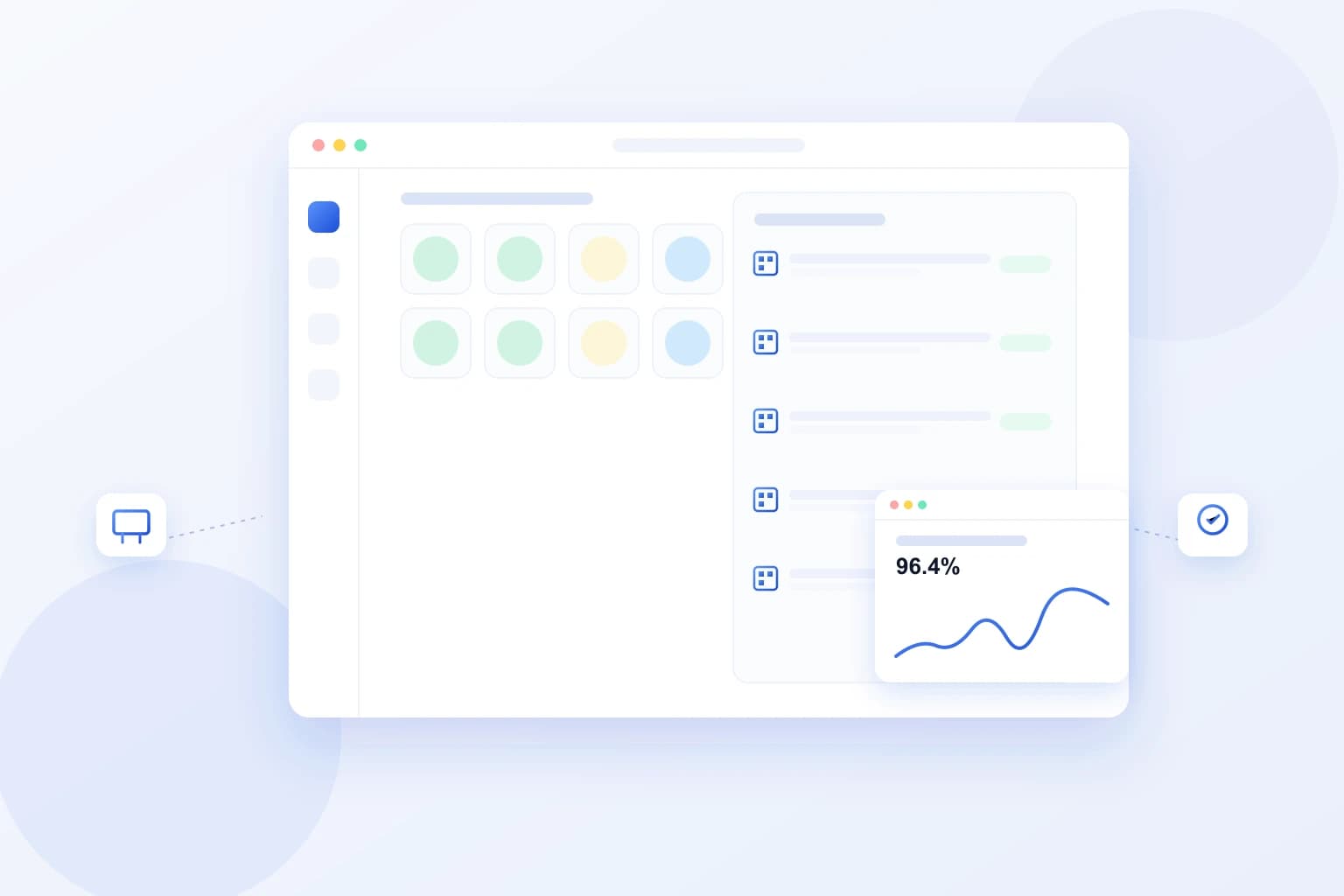
Reference architectures from our Representative Solutions collection that show these ideas in practice.
Further reading on hospitality platform architecture
In-depth engineering guides that go deeper on the technical decisions behind a restaurant management platform.
Mobile App Development Cost: A Practical Guide for Business Leaders
Mobile app development cost varies enormously based on scope, features, backend complexity, platform choice, and team composition — there's no single number that applies across projects. This guide explains the actual variables that drive cost and timeline, so business leaders can budget realistically instead of anchoring on a figure that doesn't reflect their specific product.
Read the guideAPI-First Architecture for Enterprise Software
API-first architecture means designing and agreeing on an API's contract before writing the implementation behind it, so every client — web, mobile, partner integrations, AI systems — builds against a stable interface instead of whatever the backend happens to expose. This guide explains how that discipline is actually applied in enterprise systems, not the marketing version of the idea.
Read the guideCustom Software Development Cost in Korea
Custom software development in South Korea typically runs from the tens of millions to several hundred million KRW, and the number is driven far more by complexity, integrations, compliance, and team composition than by any single fixed price per feature — this guide breaks down exactly what shapes that number so you can scope a realistic budget before you talk to a vendor.
Read the guideOther platforms we build alongside restaurant software
Restaurant operations rarely run on one system — these are the adjacent platform types most hospitality projects connect to.
Hospitality Software Development Company
Hospitality software that improves guest experience and automates hotel and restaurant operations.
See the solutioniOS & Android Mobile App Development Company
Native and cross-platform mobile apps — iOS, Android, and React Native — for startups and enterprises.
See the solutionB2B & B2C Marketplace Development Company
Scalable B2B, B2C, and multi-vendor marketplace platforms engineered for growth and security.
See the solutionFor multi-location restaurant groups scaling operations
When a restaurant platform is part of a wider operational transformation, this is the enterprise consulting engagement it plugs into.
Ready to build your restaurant platform?
Tell us what you're building — we'll tell you honestly what it would take to architect and build it properly.
No sales pressure. Just a direct technical conversation.